



Managing Diabetes isn’t always straightforward.
Some people take medication every day but still struggle with blood sugar swings. Other try changing their diet or exercise routine, yet results vary. Many ask, “Will I need meds for the rest of my life?”. Because everybody’s body is different, more people are starting to explore other ways to support their health, looking at sleep, digestion, energy, and overall balance.
In this article, we’ll explore how some people are learning to manage diabetes in their way- step by step. You’ll meet two individuals, Robert and Bradley, who each took a different path beyond just medication. Their stories might offer ideas or simply some hope for your journey.
Managing diabetes isn’t always straightforward.
Some people take medication every day but still struggle with blood sugar swings. Others try changing their diet or exercise routine, yet results vary. Many ask, “Will I need meds for the rest of my life?” Because everyone’s body is different, more people are starting to explore other ways to support their health, looking at sleep, digestion, energy, and overall balance.
In this article, we’ll explore how some people are learning to manage diabetes in their way—step by step. You’ll meet two individuals, Robert and Bradley, who each took a different path beyond just medication. Their stories might offer ideas or simply some hope for your journey.
Rethinking Diabetes: It’s More Than Just High Blood Sugar
Most people hear “diabetes” and picture a meter flashing high glucose. Yet that number is only the symptom, not the root.
Type 1 vs. Type 2 Diabetes – What’s the Difference
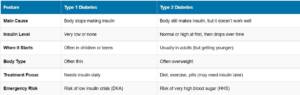
Over time, both types can affect more than just sugar levels. Many people feel numbness, stomach issues, blurry vision, poor sleep, and a low mood. Why? Because diabetes puts stress on the whole system, not just the pancreas.
To truly support the body, it’s important to care for the nerves, digestion, sleep, and overall energy, not just blood sugar. That’s why more people are exploring ways to help their body stay balanced, not just lower a number.
What Is Frequency Support
Your body runs on rhythms—heartbeat, brainwaves, even how cells talk to each other. All of these have natural frequencies. When your body is healthy, these signals stay in sync. But when stress or illness hits, the rhythm can go off track. Frequency support is a gentle, non-invasive way to help your body restore balance, gently and naturally.
How does this relate to diabetes?
Some people use frequencies to support:
- Pancreas function
- Blood sugar balance
- Nerve health, energy, and sleep
- And more
They find it helps the body respond better, not just to sugar, but overall. It’s not a drug. It’s a gentle method that fits into their daily routine.
Conclusion
Diabetes isn’t just about managing numbers. It’s about finding what helps your body feel more stable, more energized, and more at ease.
For Robert, that meant better gut health and gentle frequency sessions.
For Bradley, it meant exploring deeper causes and building his support routine.
Their paths were different, but both took the time to listen to their bodies and try what felt right.
If you’re still figuring things out, that’s okay. Small steps matter. Learning from others can help spark your ideas. You don’t have to do this alone



 English
  Tagalog